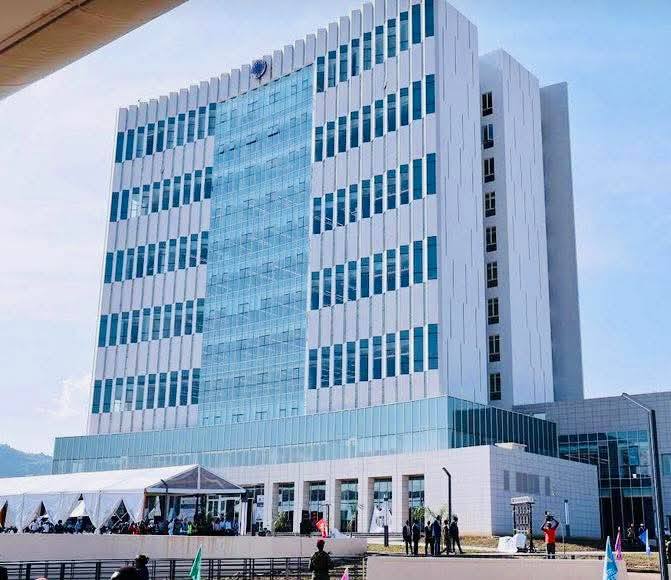
JUBA – The Bank of South Sudan has refuted media reports indicating that it plans to print more cash to address the liquidity crisis, stating it has no authority to do so.
In a statement, the financial regulator singled out leading news site Eye Radio, accusing it of publishing what it calls a “false, misleading claim” which is not based on the legal frameworks governing operations of the bank.
However, BoSS governor Dr. Addis Ababa Othow actually told a parliamentary hearing on July 21, that the bank was weighing options to address the severe shortage of cash in the market, including currency printing.
“In the short-term plans, we have made it clear that there is an urgent need for us to print money just to meet the high demand for liquidity. But in the medium and long term, we are looking at how to address currency management,” Othow told members of the Specialized Committee on Finance and Planning.
In its latest attempt to backtrack the governor’s statement, BoSS’ Director of Communications and Public Relations, Majok Nikodemo Arou, underscored that the agency does not have the authority to print for the purpose of paying civil servants.
Arou adds that the bank operates in accordance with regulations outlined in the Bank of South Sudan Act (2011) as amended, which also define its relationship with the government.
“Sections 64 and 69 of the act explicitly outline the nature of permissible transactions between the bank and the government. None of these grant the bank powers to print currency for salary payments,” he said.
He added that the national budget is financed through oil and non-oil revenues, in which if such resource envelope falls short of covering government expenditures, budget deficit occurs, which is financed through loans.
“We wish to assure the public that the Bank of South Sudan has no plans to print additional money for salary payments, as wrongly reported by Eye Radio.”

